Clinical test tracking platform
At our practice, functional testing (PPT, FMS, grip, endurance) was spread across three places. Scheduling and notes lived in CareCloud, results lived on the testing equipment, and a shared spreadsheet tracked who ordered each test and who ran it. That meant every test got entered four times. And if a patient missed a test and never rebooked, it just slid to the bottom of the sheet and got forgotten.
I spotted the problem, showed leadership what it was costing us, wrote out a plan for the fix, and then built it.
What it does
- Every test follows a clear path from ordered to done. If the date passes and nobody marks it complete, it moves to Missed on its own and starts a 30 day countdown before it cancels.
- Follow-ups pop up when the patient actually checks in, not on some random date. For visits that shouldn't be interrupted, like Precert and Re-eval, the test just moves to the next visit.
- If a provider orders PPT, FMS, and grip together, each one gets its own record. That way a patient can finish one and skip another without messing up the rest.
- When a staff member leaves, they're hidden from new entries, but their history stays in every report.
- A provider dashboard shows arrival rates, visits per plan of care, and productivity, which are the numbers ownership looks at to decide if something is worth it.
Security and compliance
Each user only sees data for their own location and role. Every change gets logged, and PDFs never get saved in the browser. The whole thing runs under the practice's HIPAA controls, and the business associate agreement with our EHR vendor was handled separately from my side of the work.
EHR integration
I led the technical calls with CareCloud and mapped out the FHIR R4 and REST data the sync would need: appointments, check-in status, visit type, and the next appointment. Since then, we've moved to a setup with Salesforce in the middle. The app keeps its own records linked to CareCloud IDs, Salesforce pulls from CareCloud every 30 minutes, and the app asks Salesforce for appointment info in real time instead of copying it. I wrote the documentation our Salesforce developer is using to build the APIs.
Rollout
I also ran the rollout across locations: setting up who can access what, training staff, being there on go-live day, and answering questions and feature requests after. People kept using it because it took work off their plate instead of adding to it.
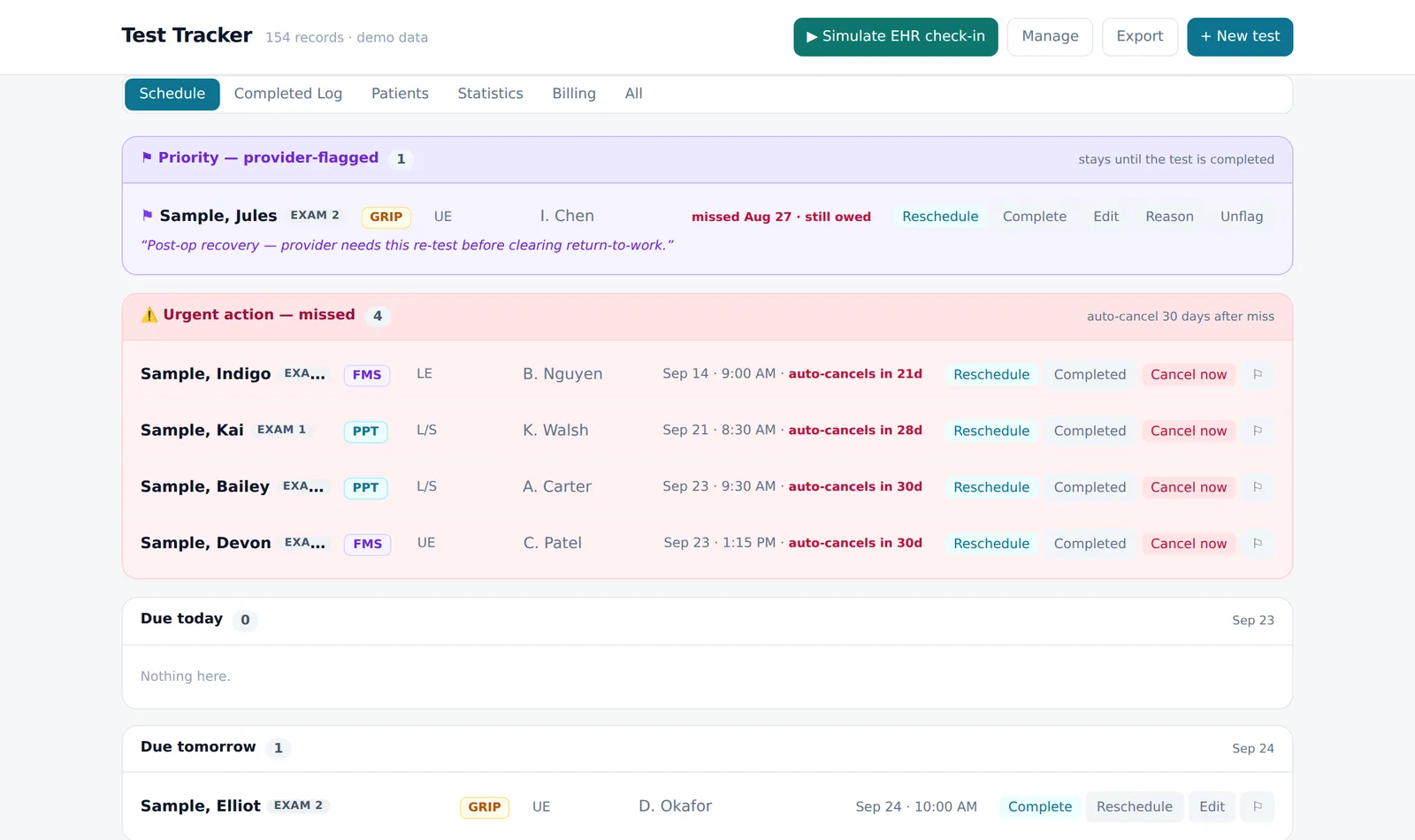
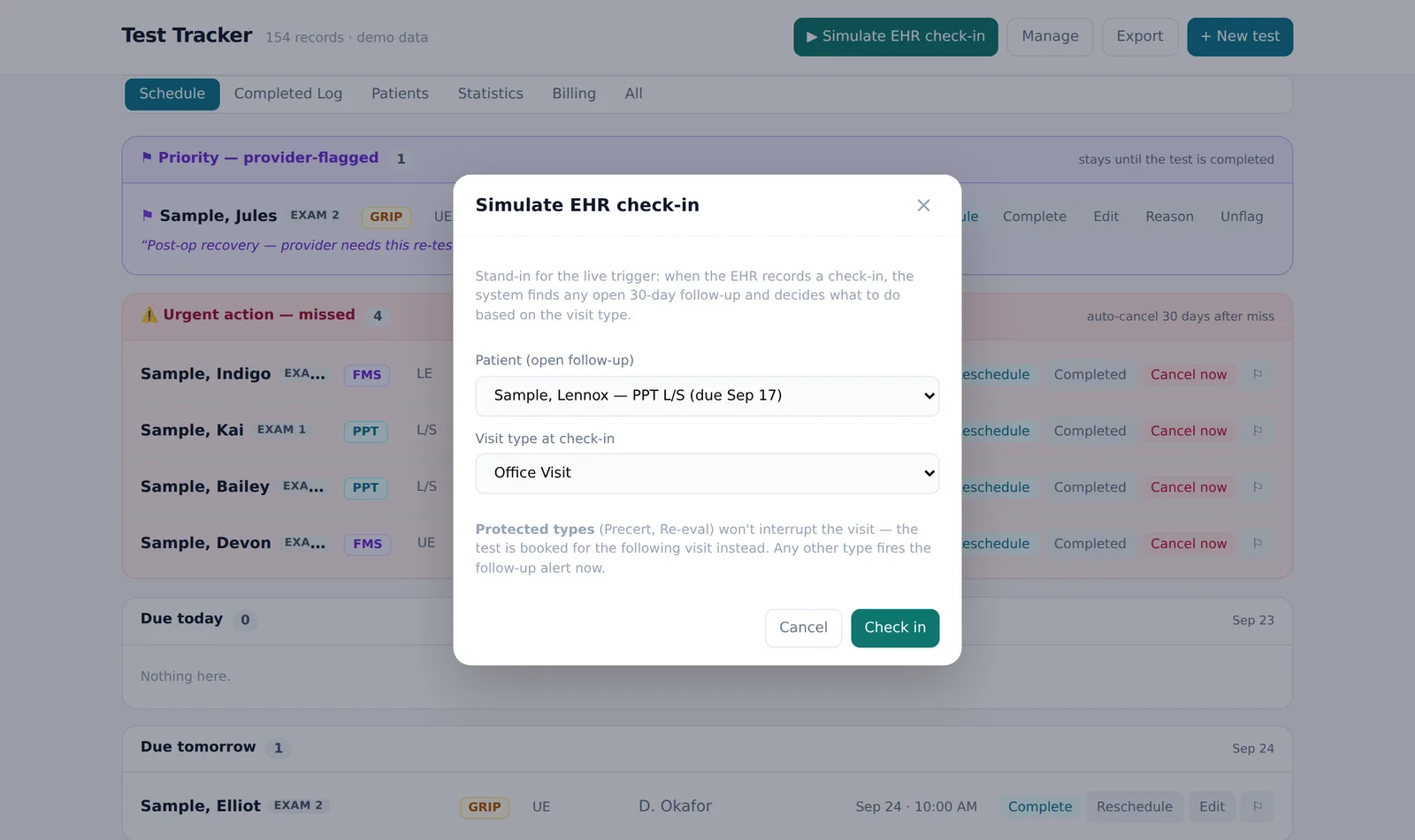
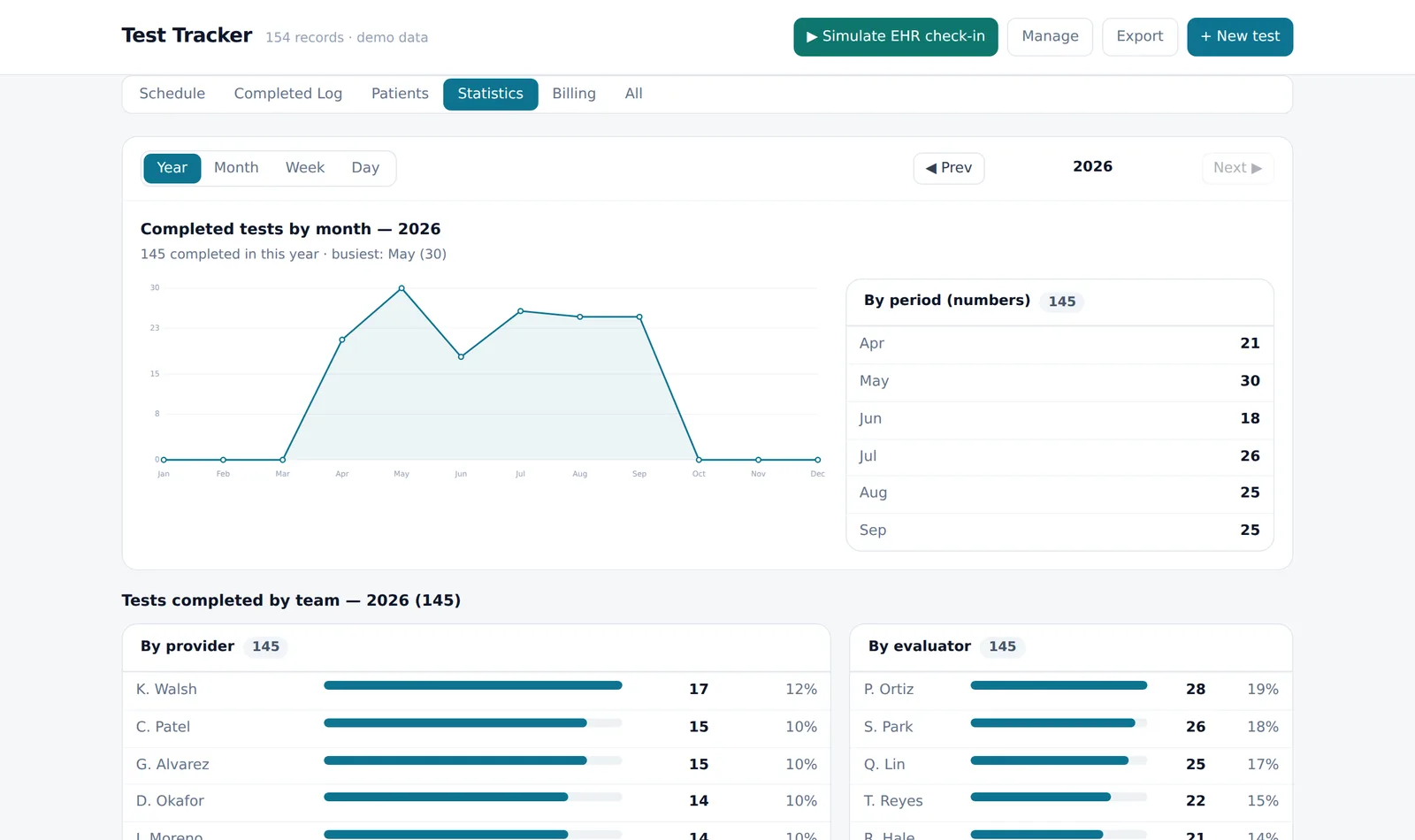
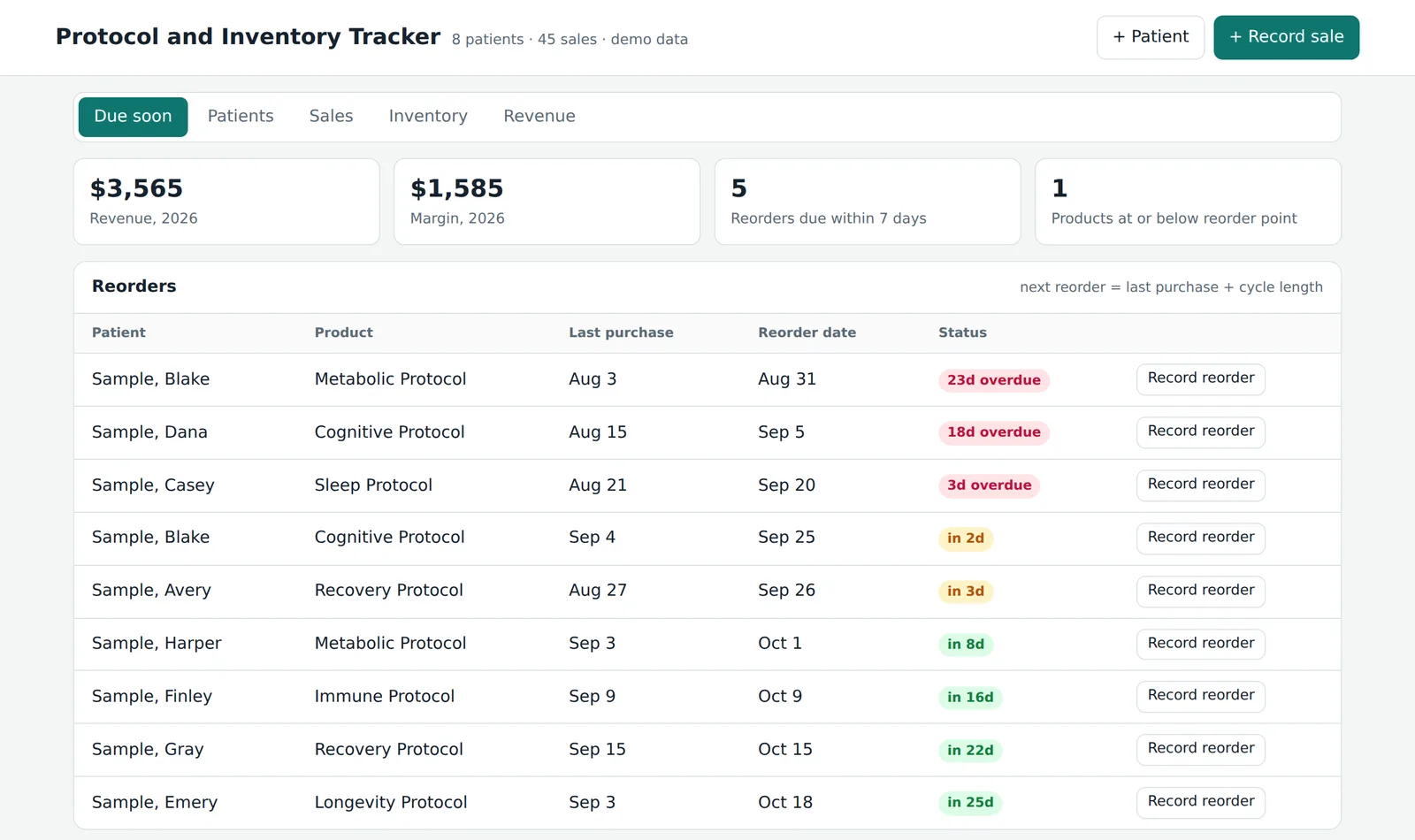
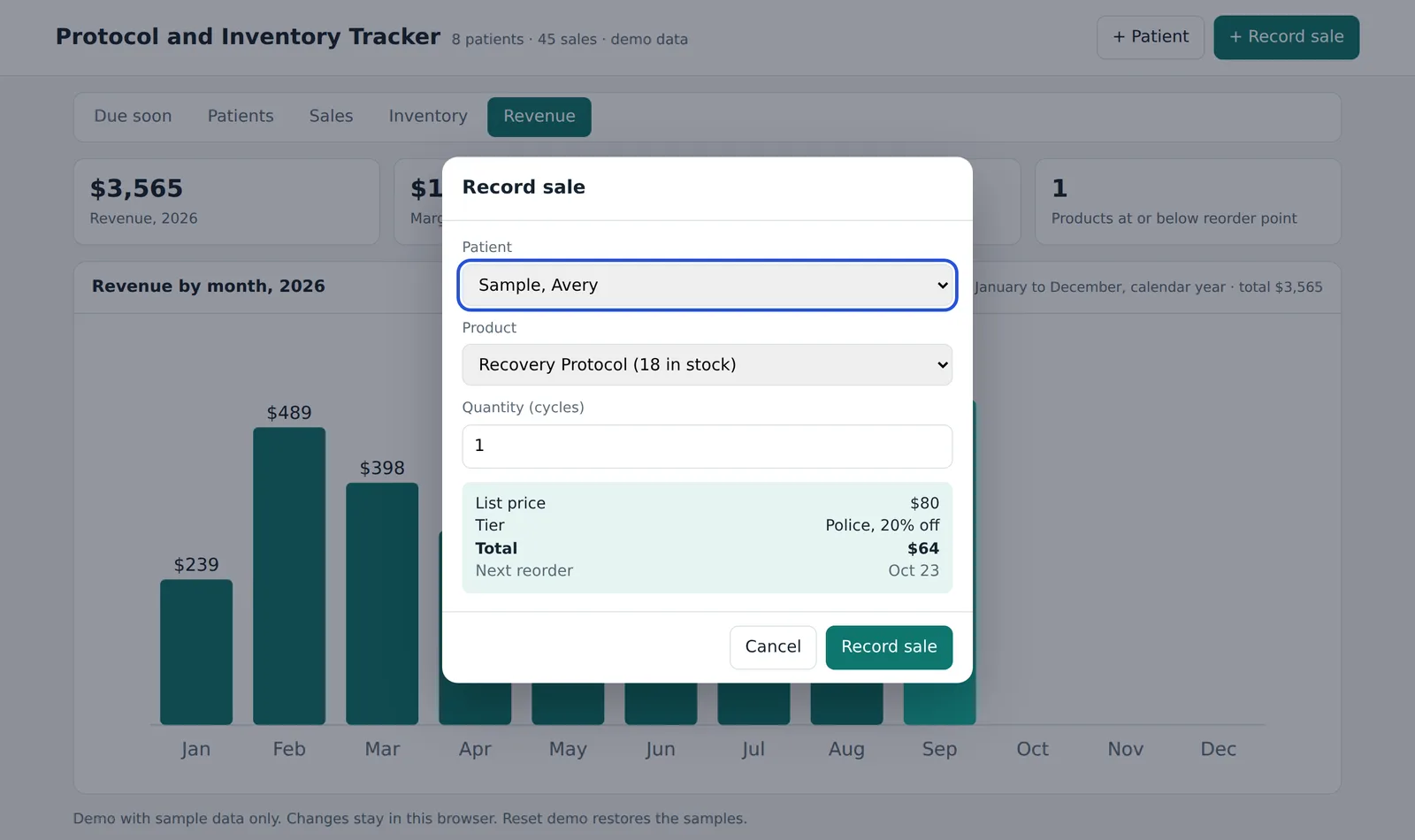
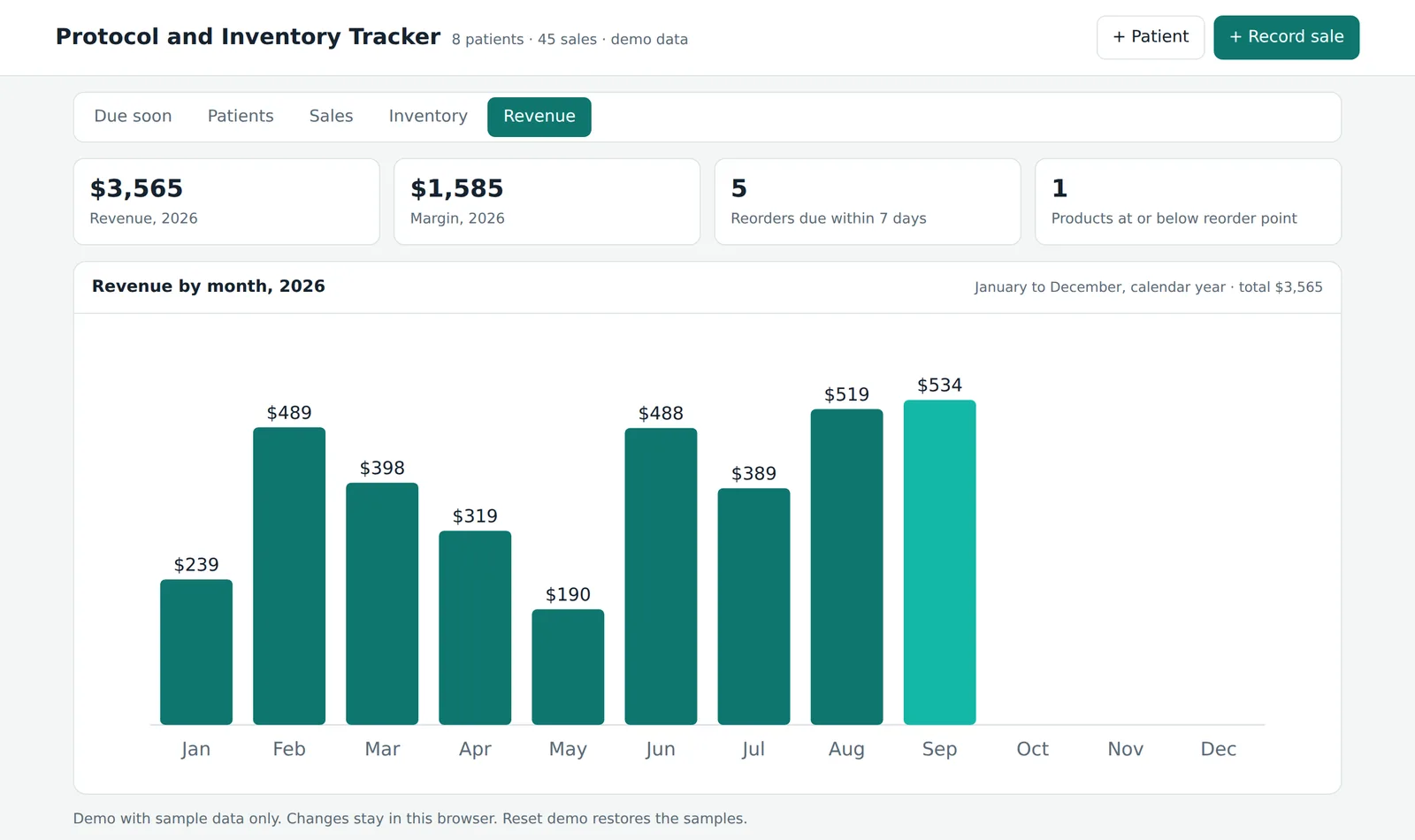
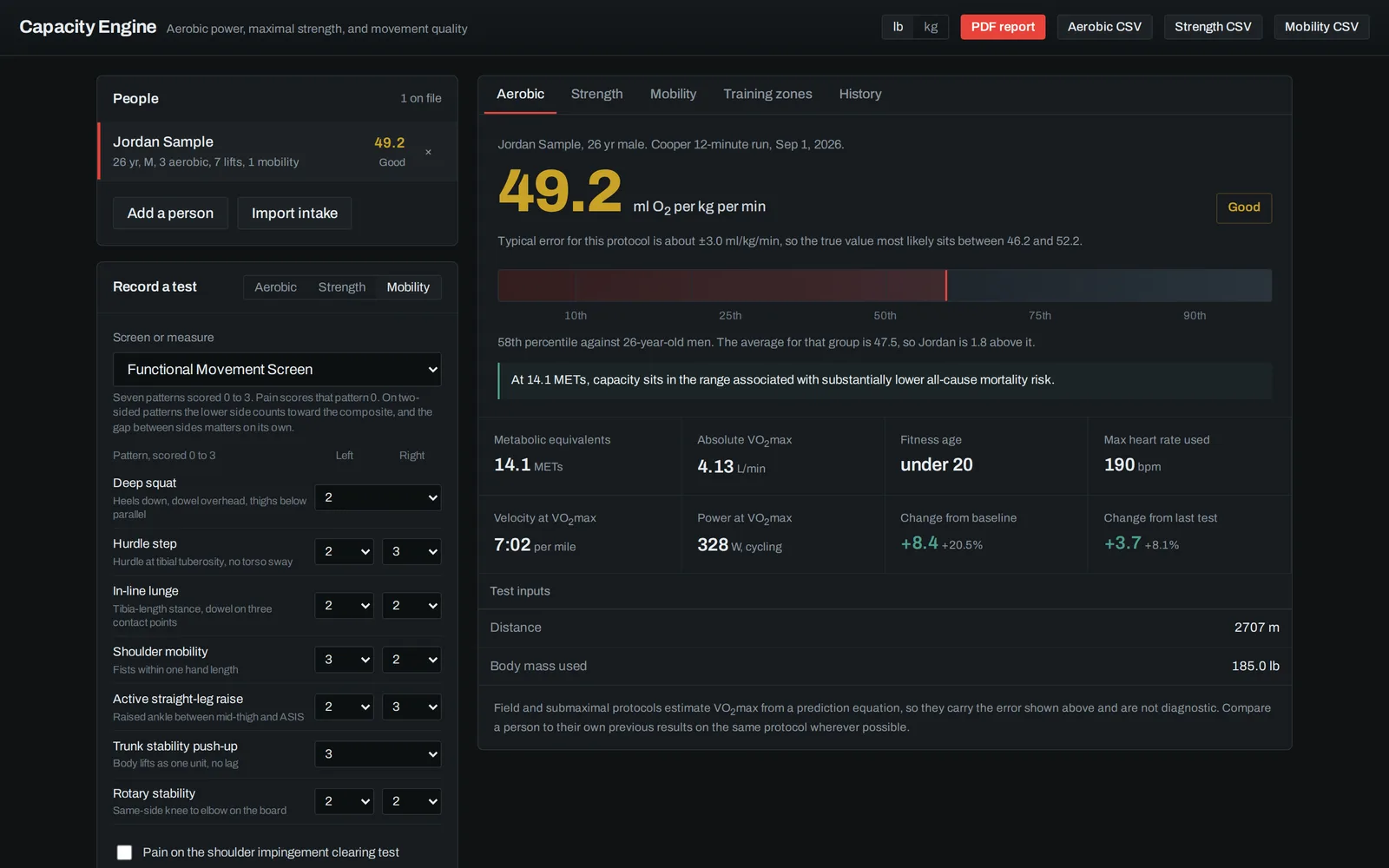
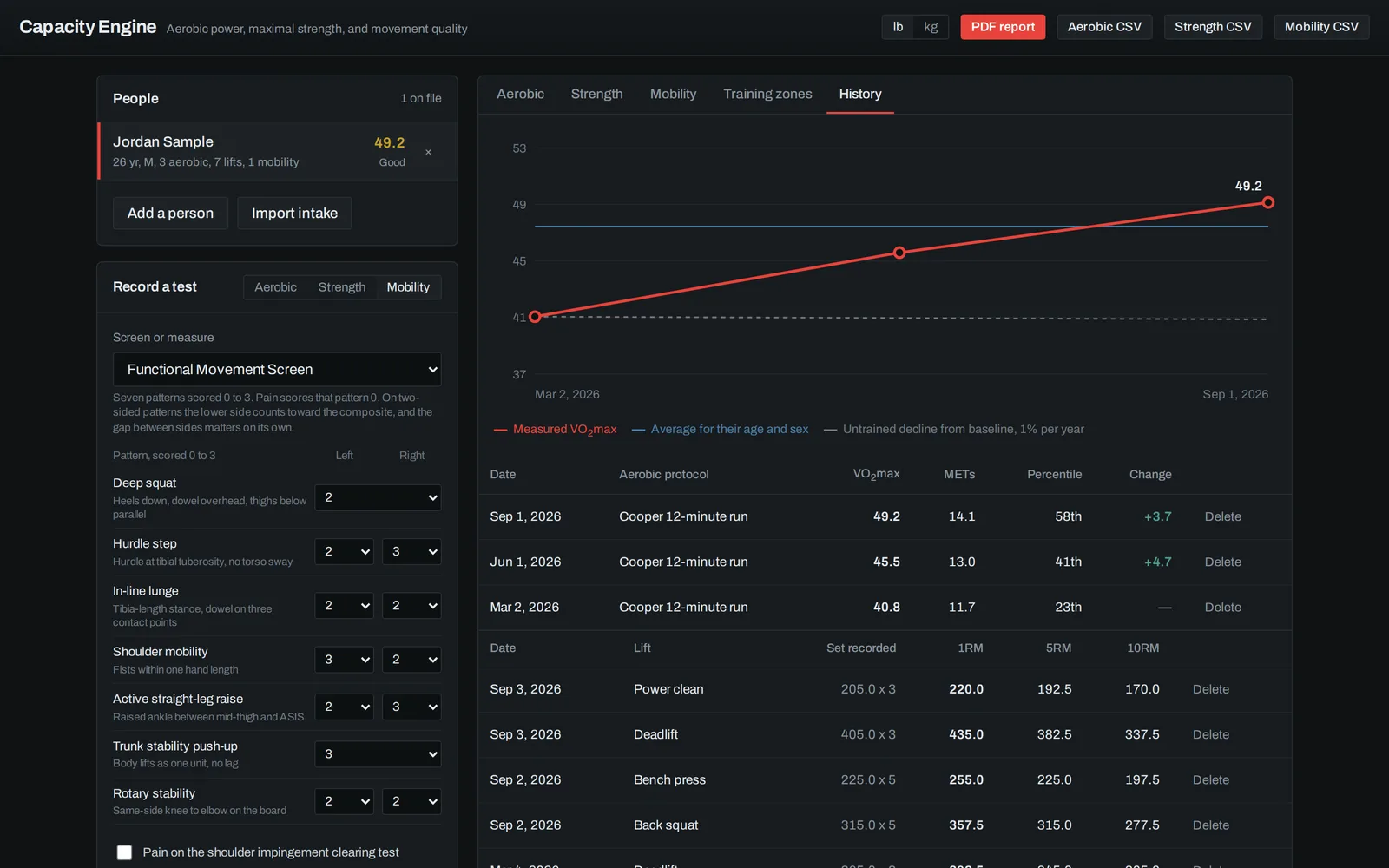
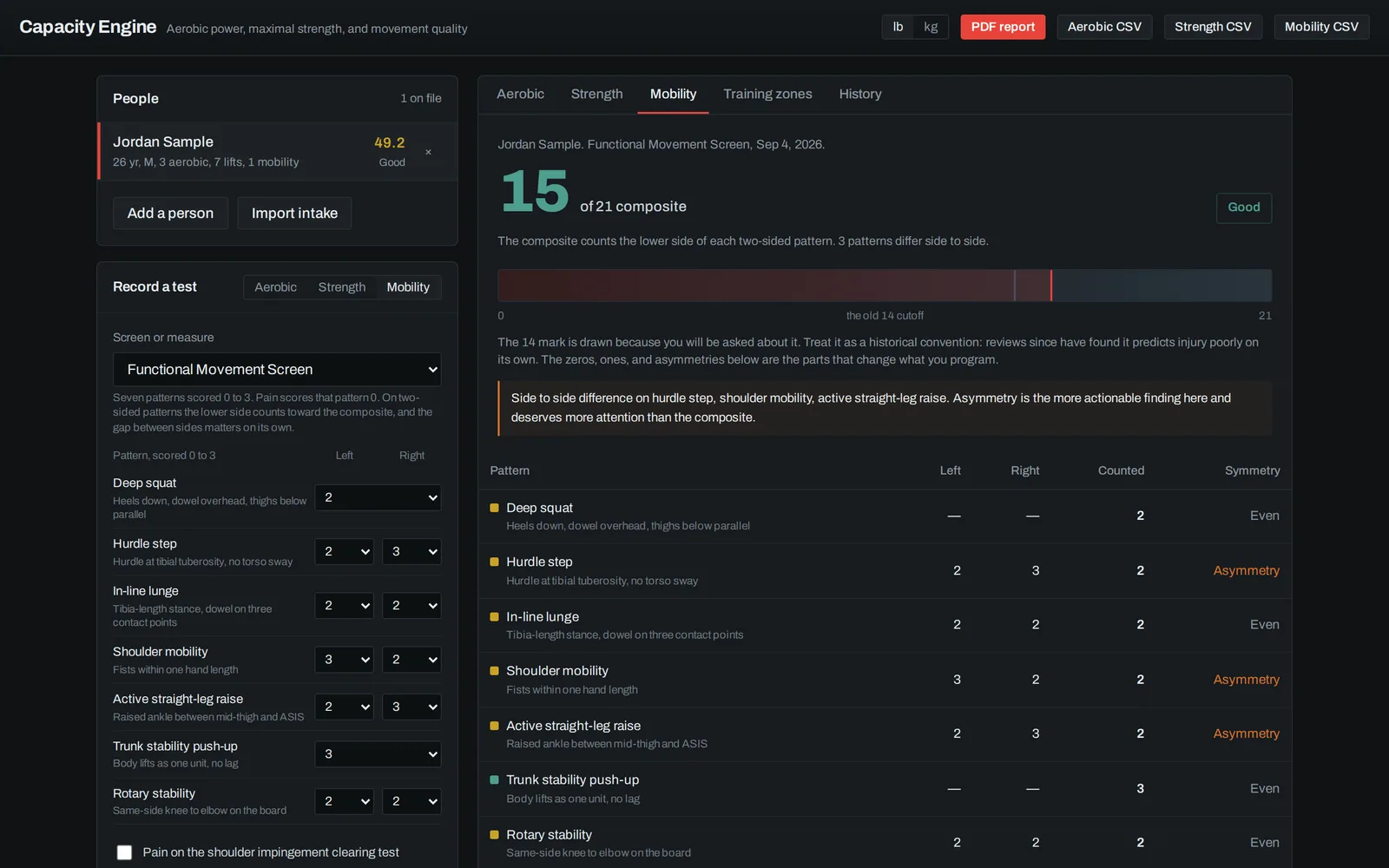
The screenshots use made-up patients and staff. The real system has actual patient data, so it stays private, but I'm happy to walk you through it on a call.